
Search is currently unavailable. To use search functionality, please accept cookies in your preferences.
Finding My Way on Two Wheels
Expanding access, nurturing confidence, and creating more spaces where women feel seen, supported, and free to grow with Nishma Shrestha.
18 min lire
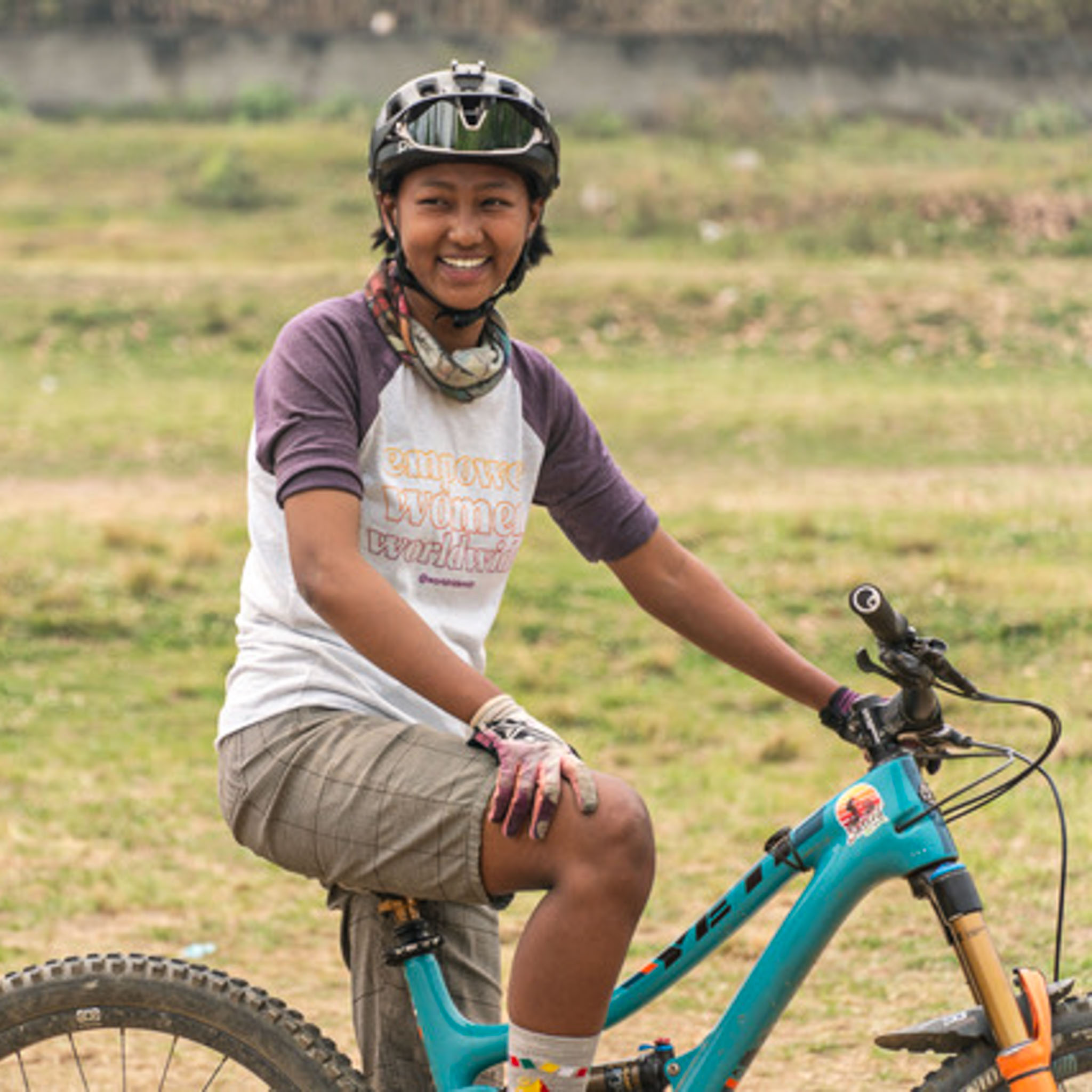
Nishma Shrestha
Mar 01, 2026
My Culture
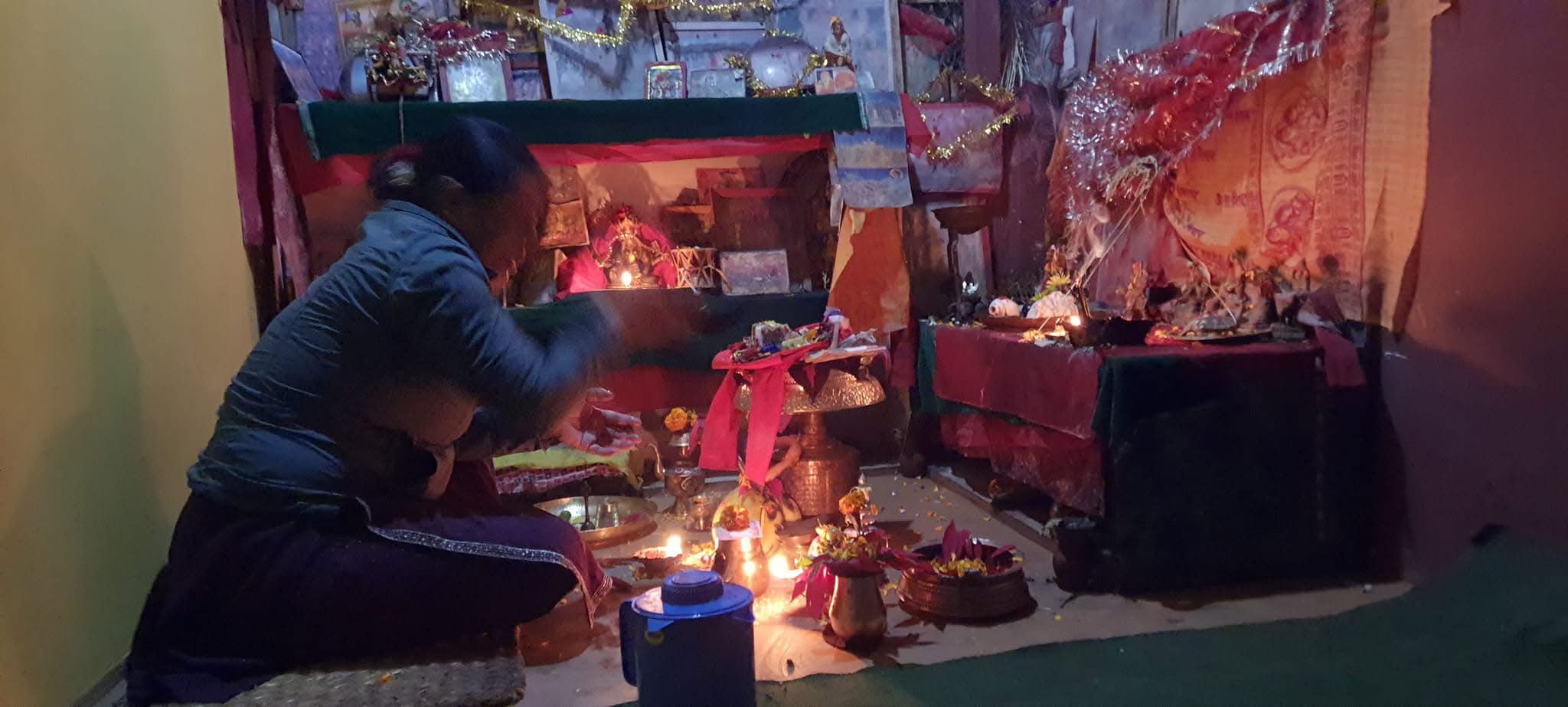
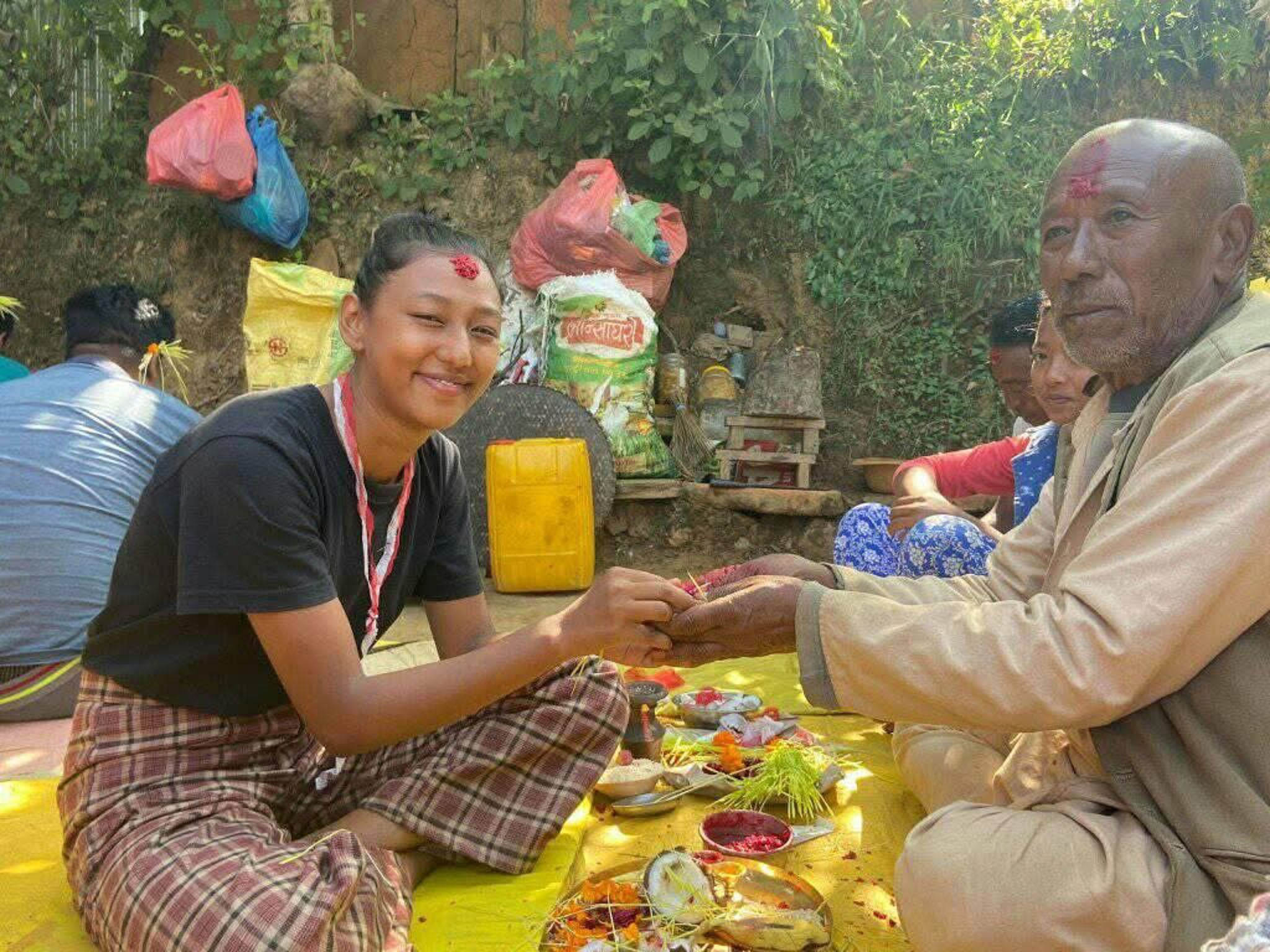
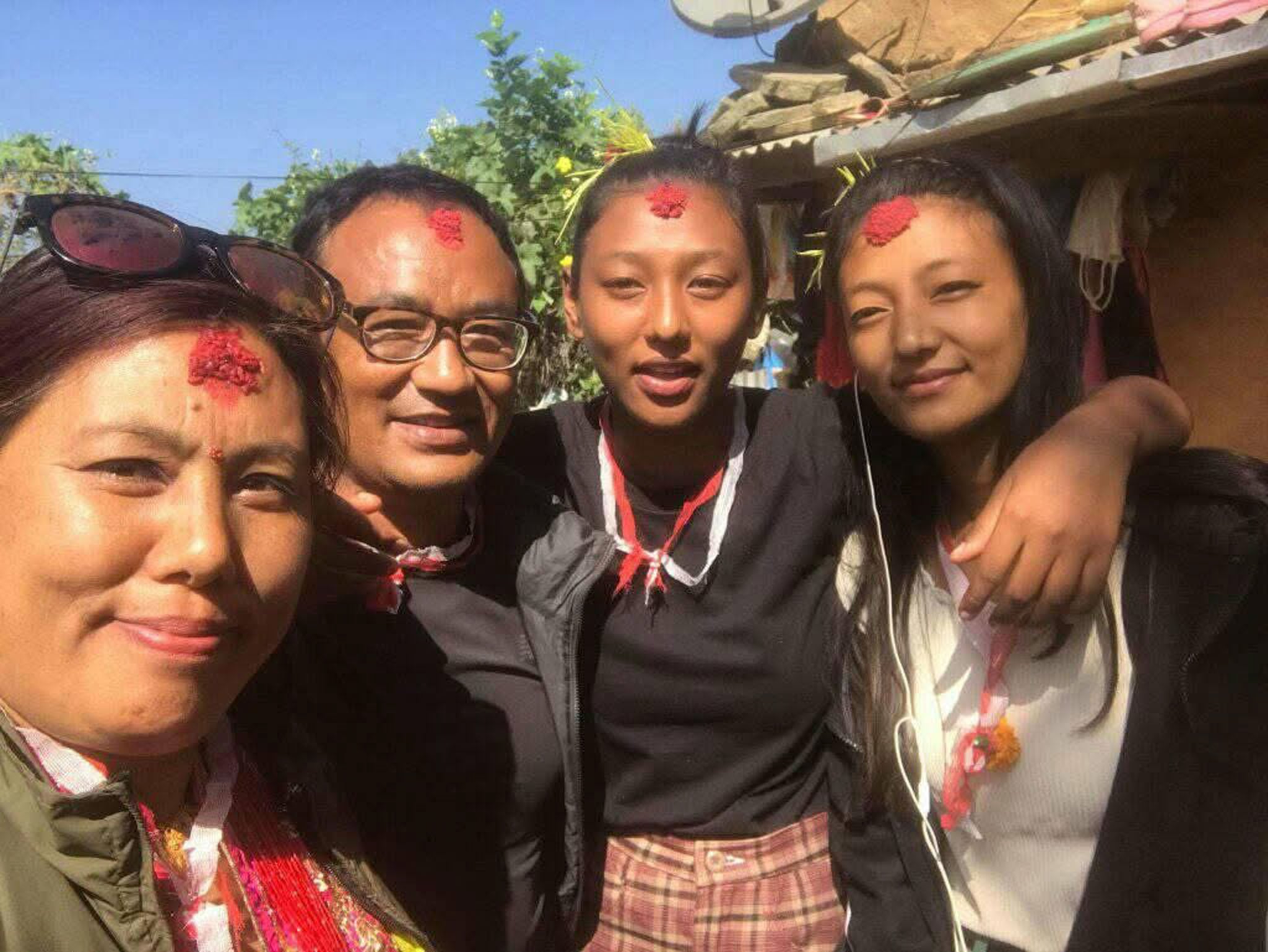
My family is a Newari family residing in the Kathmandu Valley. Culture has been a significant aspect of my life. We celebrate holidays, sit down together, share meals, and watch over one another. As a child, I was taught to respect others, be responsible, and remain connected to my origins. In Nepal, community and family define an individual.
Many girls follow a common path in life. Education is important, but so is contributing to the household and being mindful of future opportunities. There is a degree of independence, but it is often limited and shaped by specific expectations. Being a girl, I learned from a young age that certain interests were more encouraged than others. Activities that required long hours outside the home, unrestricted movement, or extended time away were generally approached with caution. The values that guided us were safety and stability, and these values shaped the way decisions were made.
This is the environment I grew up in. It gave me a sense of belonging and kept me grounded. It also taught me to be aware of myself, of others, and of the spaces I occupied. I carried that awareness with me as I grew older and began to find my own way
My Background
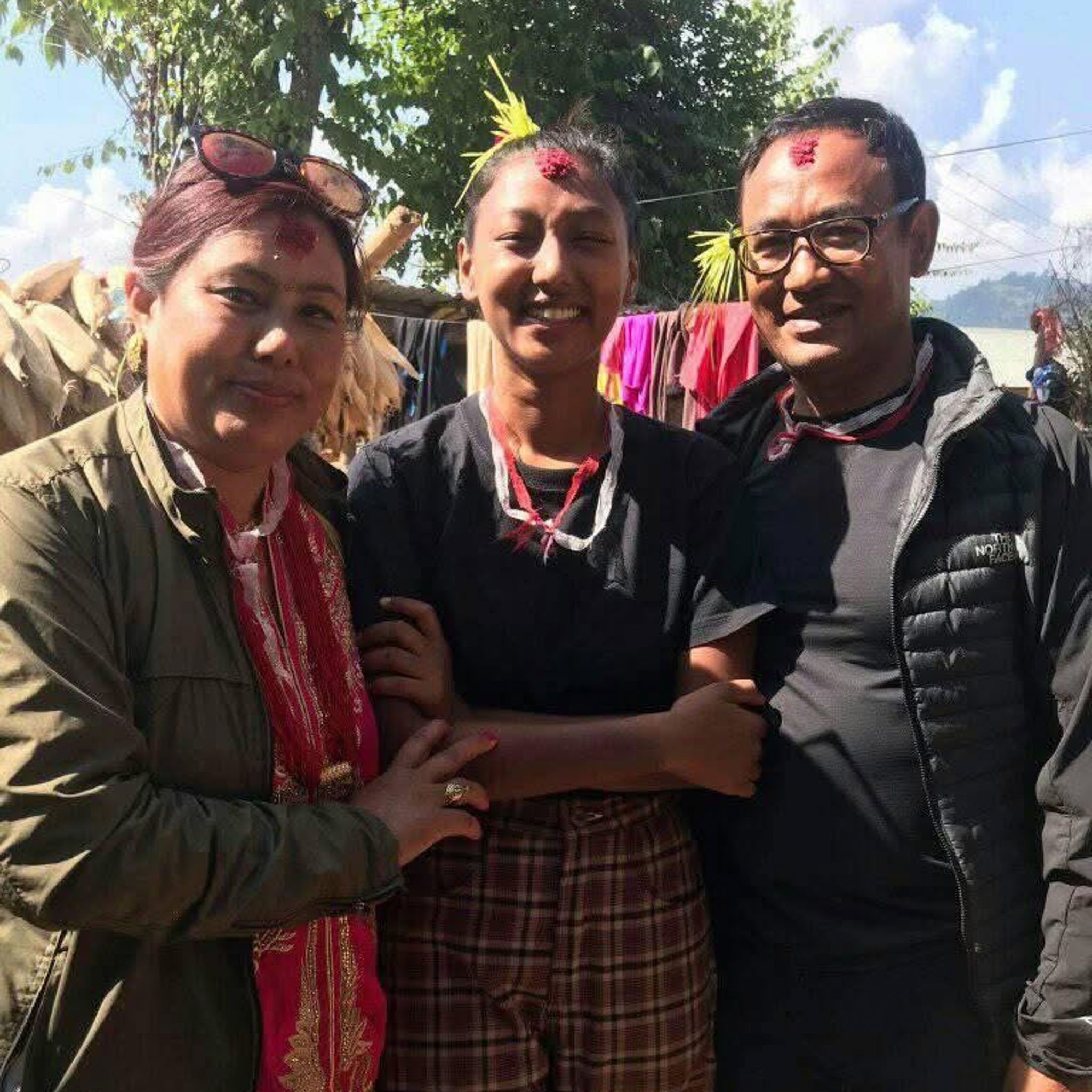
My parents married young, and I was born when they were both in their early twenties. Watching their struggle to make a living, endure hardships, and gradually build a stable life made me understand the value of hard work, responsibility, and growth. Both of my parents run small businesses, and we were accustomed to being self-reliant at home. I was raised in an environment where taking responsibility, making decisions, and learning through experience were simply a part of everyday life. They gave me the freedom to choose, but always with the expectation of doing so responsibly. From an early age, I was taught that every decision carries consequences, and I carried that understanding with me as I grew up.
Above all, my parents had faith in me. They allowed me to explore my own identity, even when it did not follow the expected or conventional path. That quiet faith shaped my confidence and sense of independence in ways I did not always recognize at the time.
First Connection to Cycling
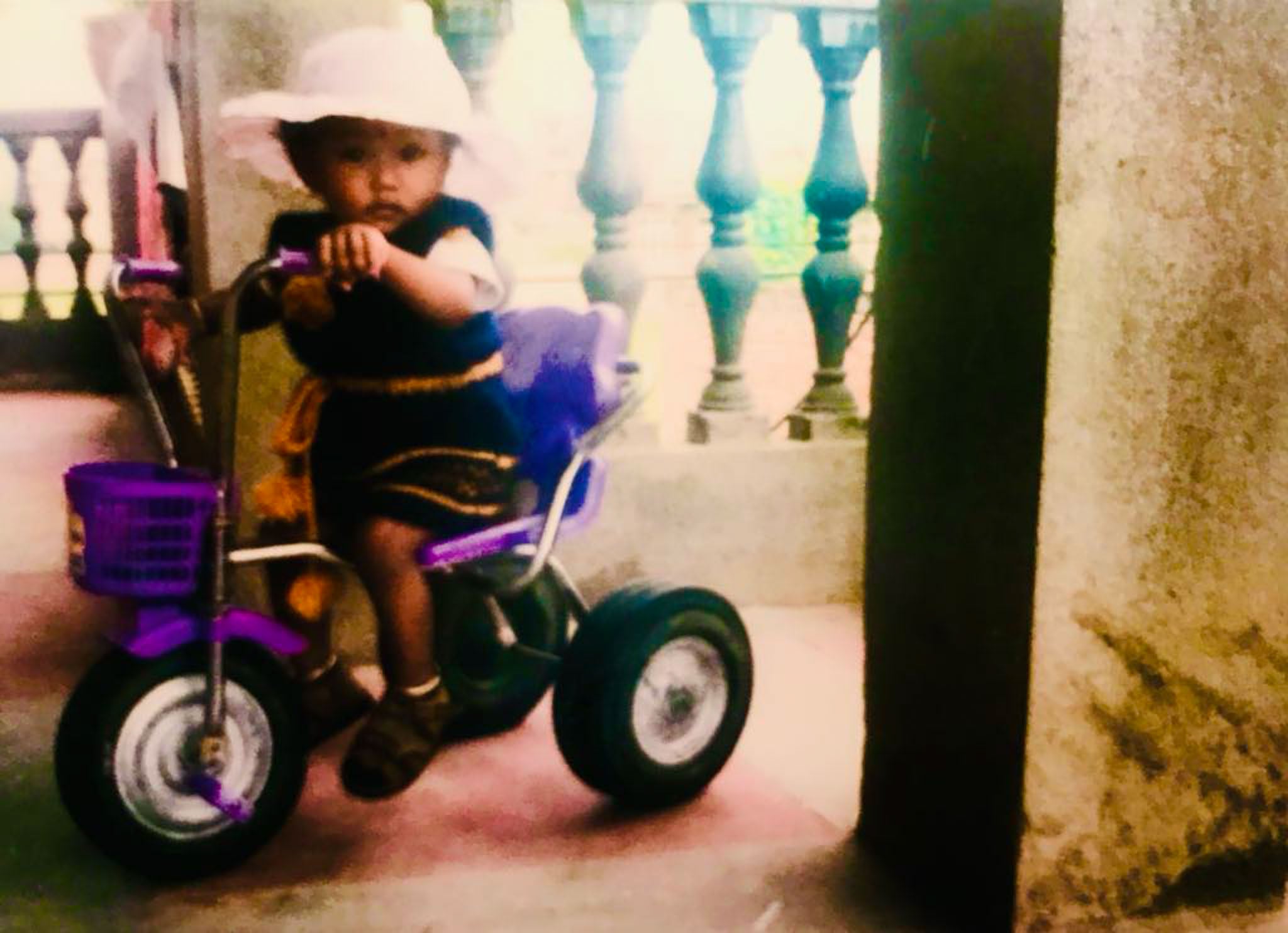
Biking entered my life quietly. I never thought of it as a future career or planned for it to become one. It began with curiosity and the simple pleasure of motion. My friends helped me learn how to ride. Like most beginners, I fell, got bruised, and struggled to find my balance. There was nothing graceful about it in the beginning. I simply kept trying and learned one ride at a time.
The place where I truly began to enjoy cycling was Mudkhu, just a few kilometers away. It was not just a trail, it was a gathering place for riders. People would stop for tea and food, and talk before or after their rides. Even as a beginner, I felt welcome because of the openness and warmth of the community. I can still remember the hot lemon tea with chickpeas and potatoes, and how full of life it felt there.
One day, my uncle took me to Mudkhu. I remember how hard it was to climb to the top. I had to stop several times just to catch my breath. But when I finally made it, I could not shake the feeling it left in me. Even the struggle felt worth it. The moment that stayed with me most was when my uncle introduced me to the group. He said, "She is my niece, and she is going to be a mountain biker." It was simple, but it carried a great deal of weight. In that moment, I felt seen and included, even before I had thought of myself that way.
Mudkhu was my first school. The riders never pushed me, but they gave me space. They encouraged me to ride, to try again, and gradually to challenge myself further. That support made me begin to see cycling as something I could grow into. Biking did not demand excellence. It did not require me to already be good. It simply asked me to show up, learn by doing, and keep going. That freedom is what kept bringing me back.
Taking Cycling Seriously
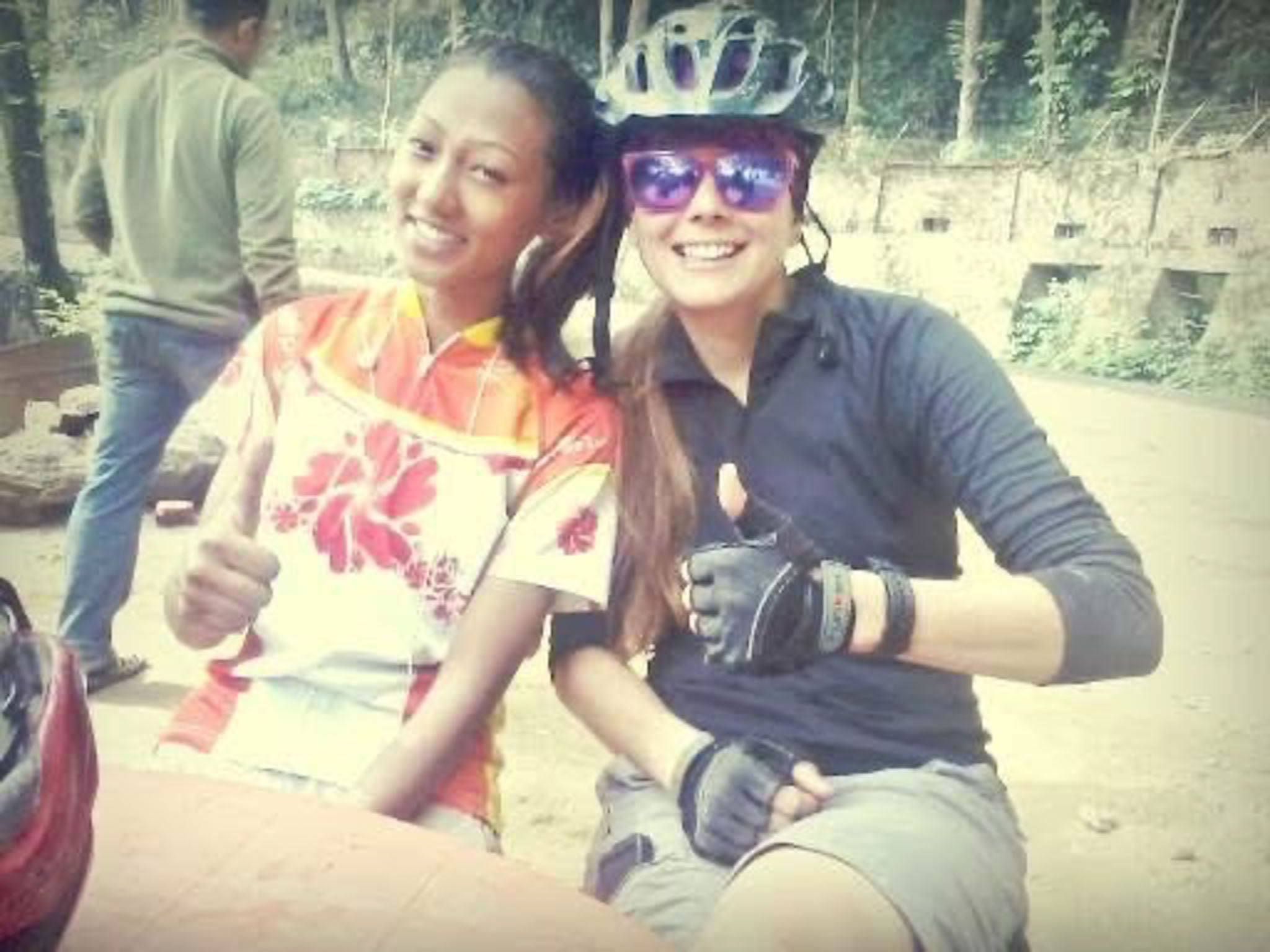
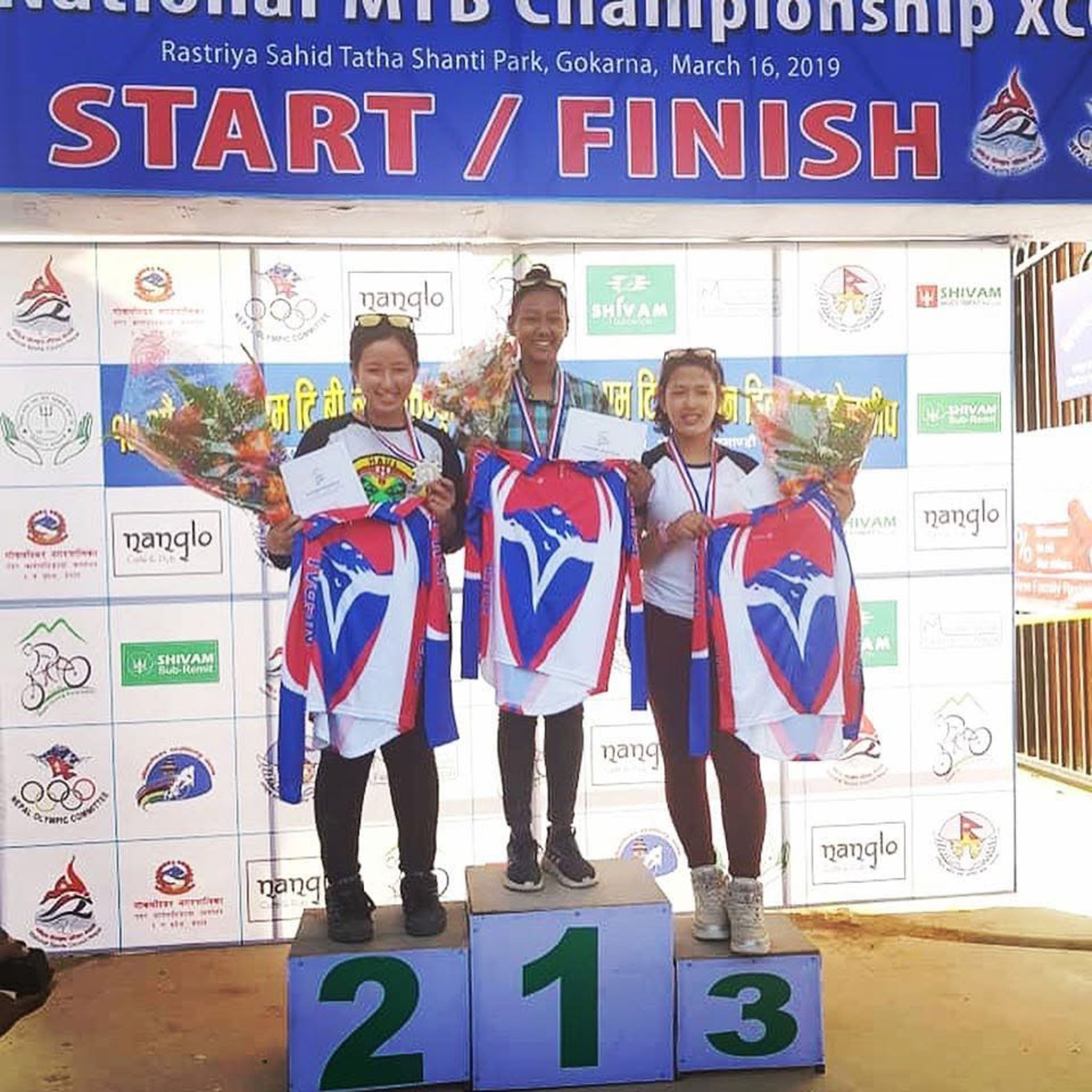
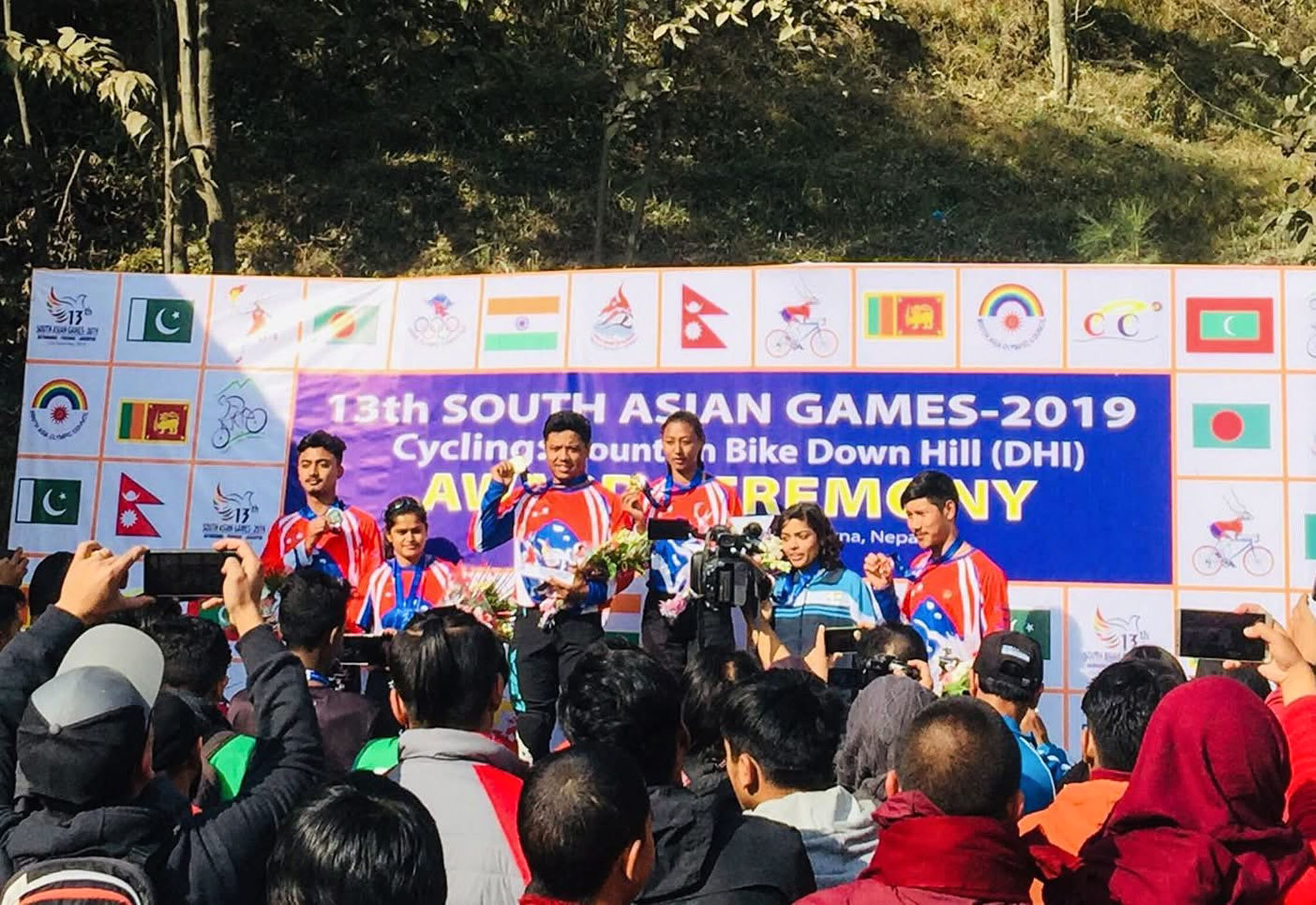
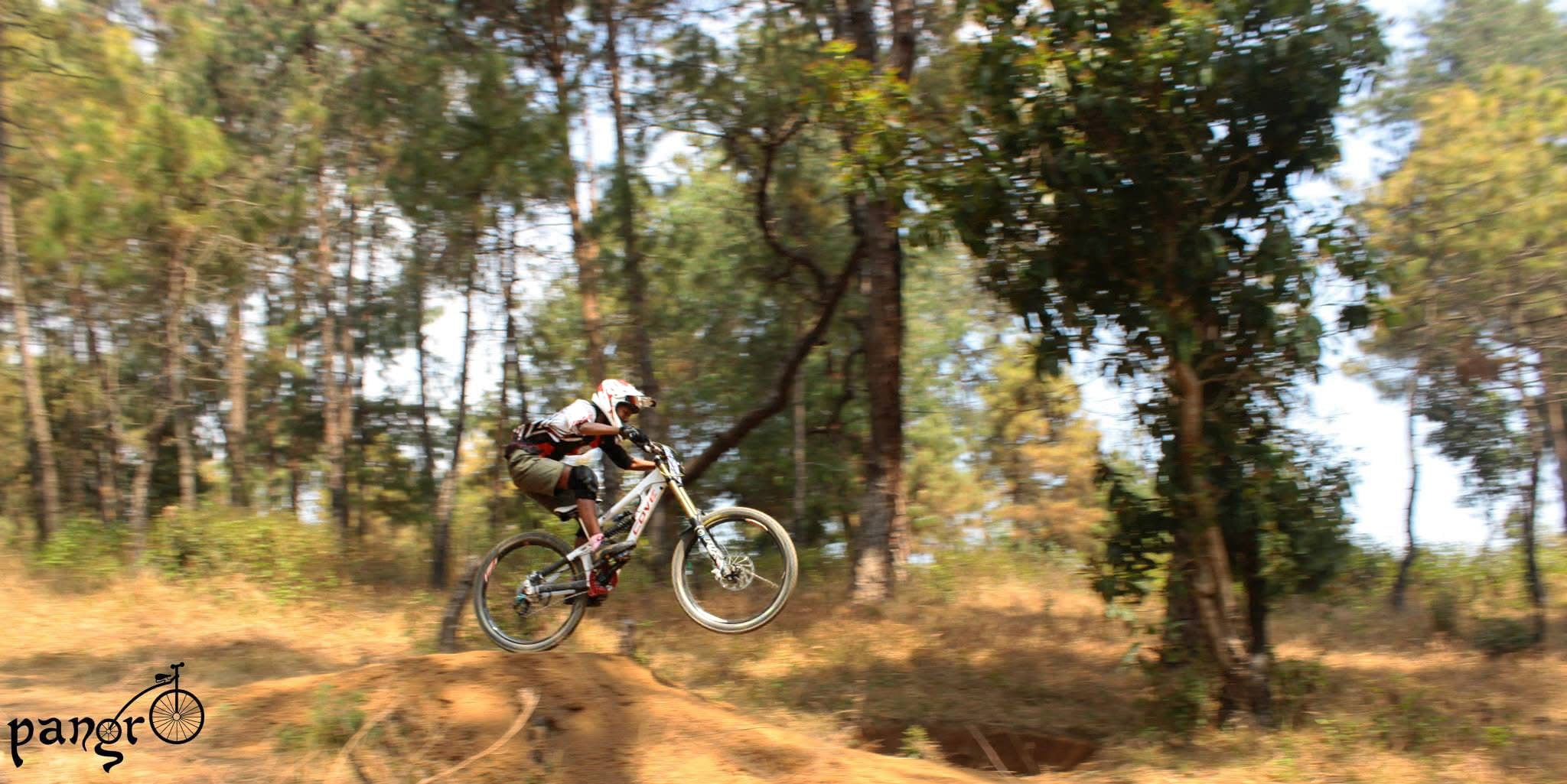
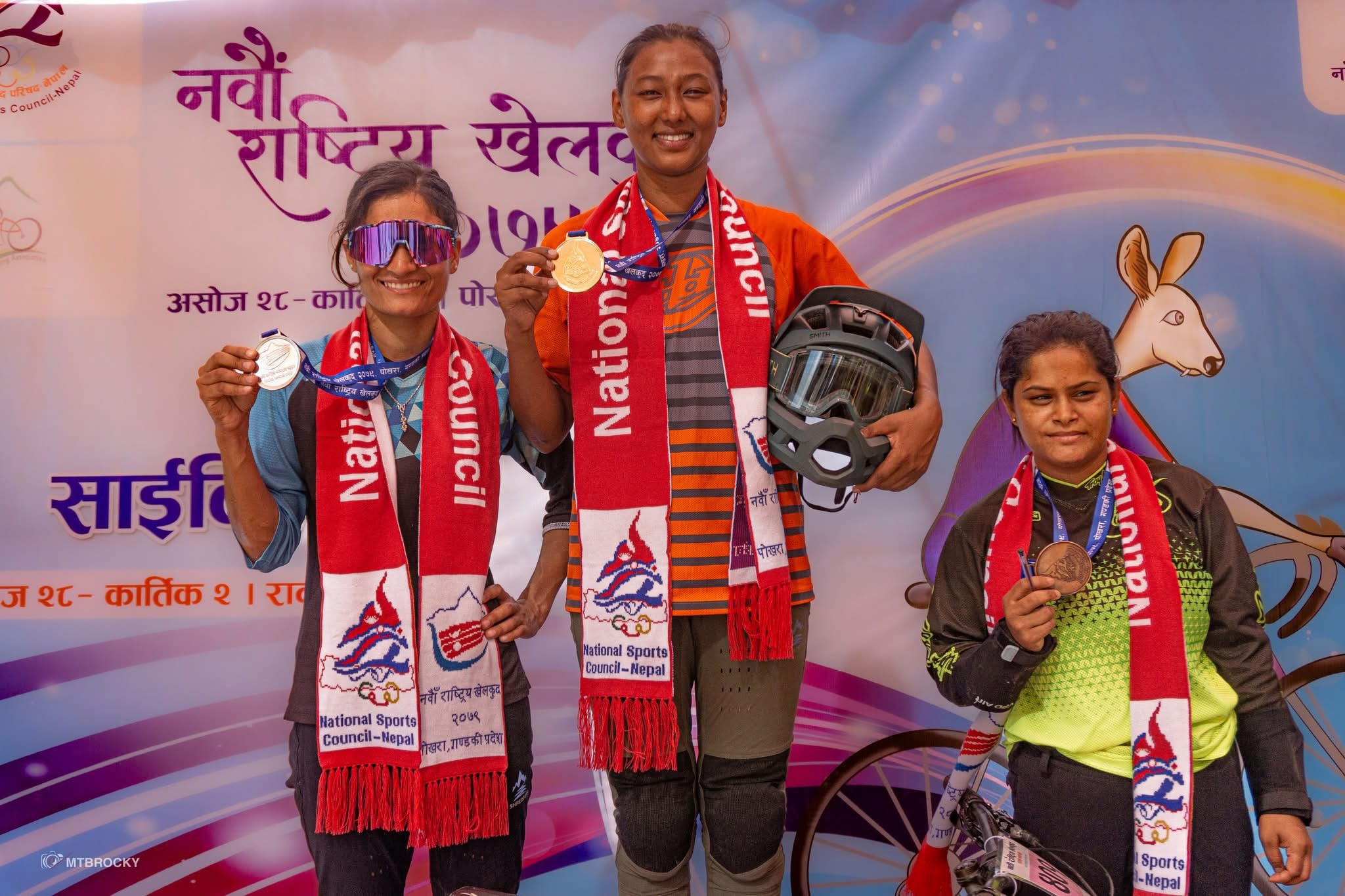
As I continued to ride, cycling ceased to be a leisure activity. I was no longer riding simply for fun. I rode with purpose. I challenged myself, climbed steeper paths, and spent more time with people who were deeply committed to the sport. Downhill riding became my favorite. I loved the freedom, the wind against my face as I descended the trail. It demanded focus, dedication, and quick thinking. There was no room to hesitate. You read the trail, make decisions within seconds, and trust yourself completely. That intensity drew me in. It was not about being reckless, it was about being in control, staying aware, and remaining fully present.
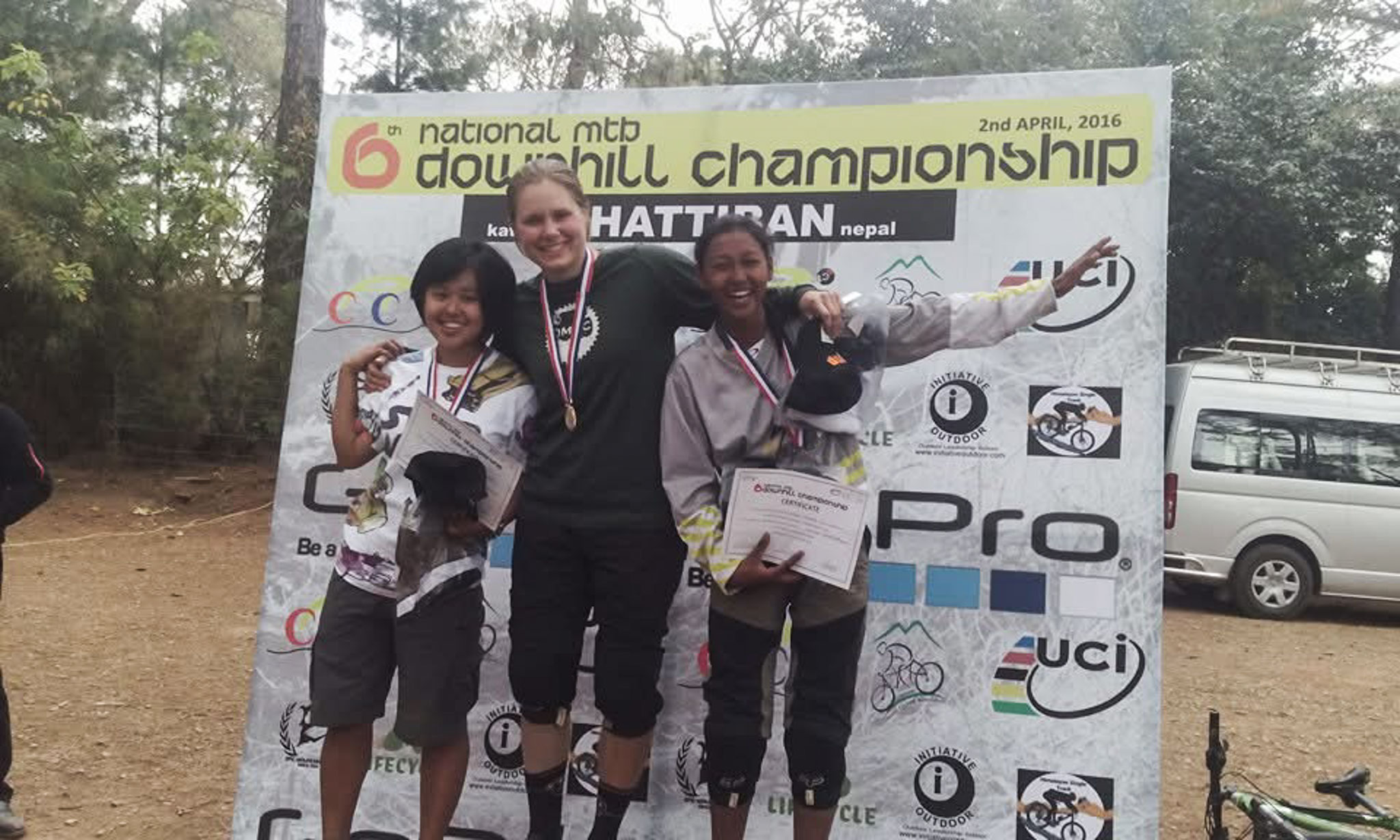
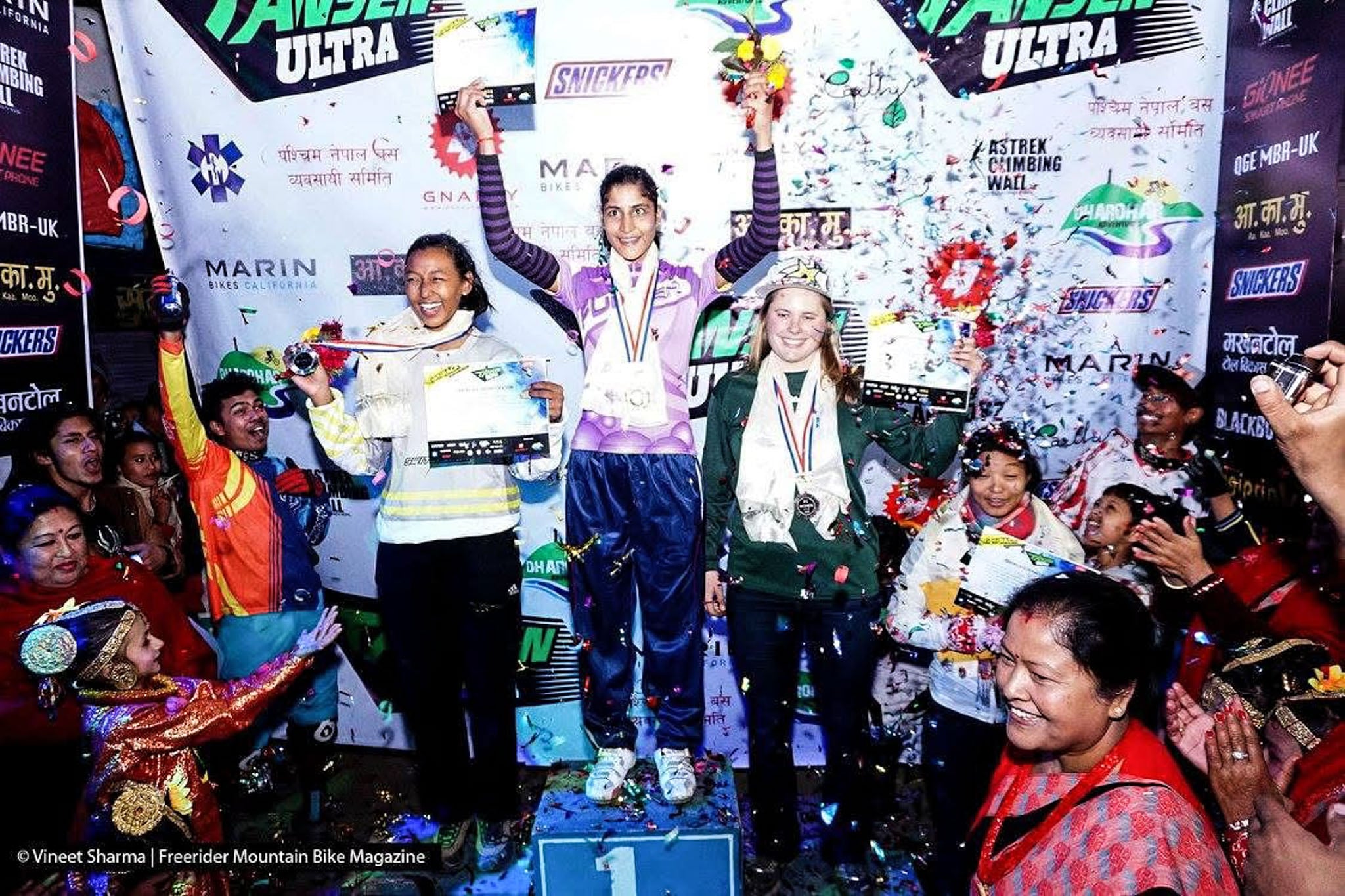
It felt daunting when I was encouraged to race downhill. At the time, no other women were competing in downhill racing. I was the first woman to take part in those races. There was no female category and no clear example to follow. I simply showed up and rode.
I never received formal or structured training. Instead, I learned by riding long distances with friends, exploring new trails, and gradually pushing myself further. Every unfamiliar path, every technical section, every moment of fear became part of my education. Progress came through experience, not programs. Racing, for me, was a continuation of that learning. I borrowed gear when I needed to, made mistakes, and figured things out as I went. What kept me going was not preparation, it was curiosity, commitment, and consistency.
Through this process, I began to understand that cycling was not simply a hobby. It had become something I was genuinely devoted to. Riding also taught me resilience, confidence, and the importance of trusting myself, lessons that stayed with me even when external support and structure were hard to come by.
Hitting the Limits
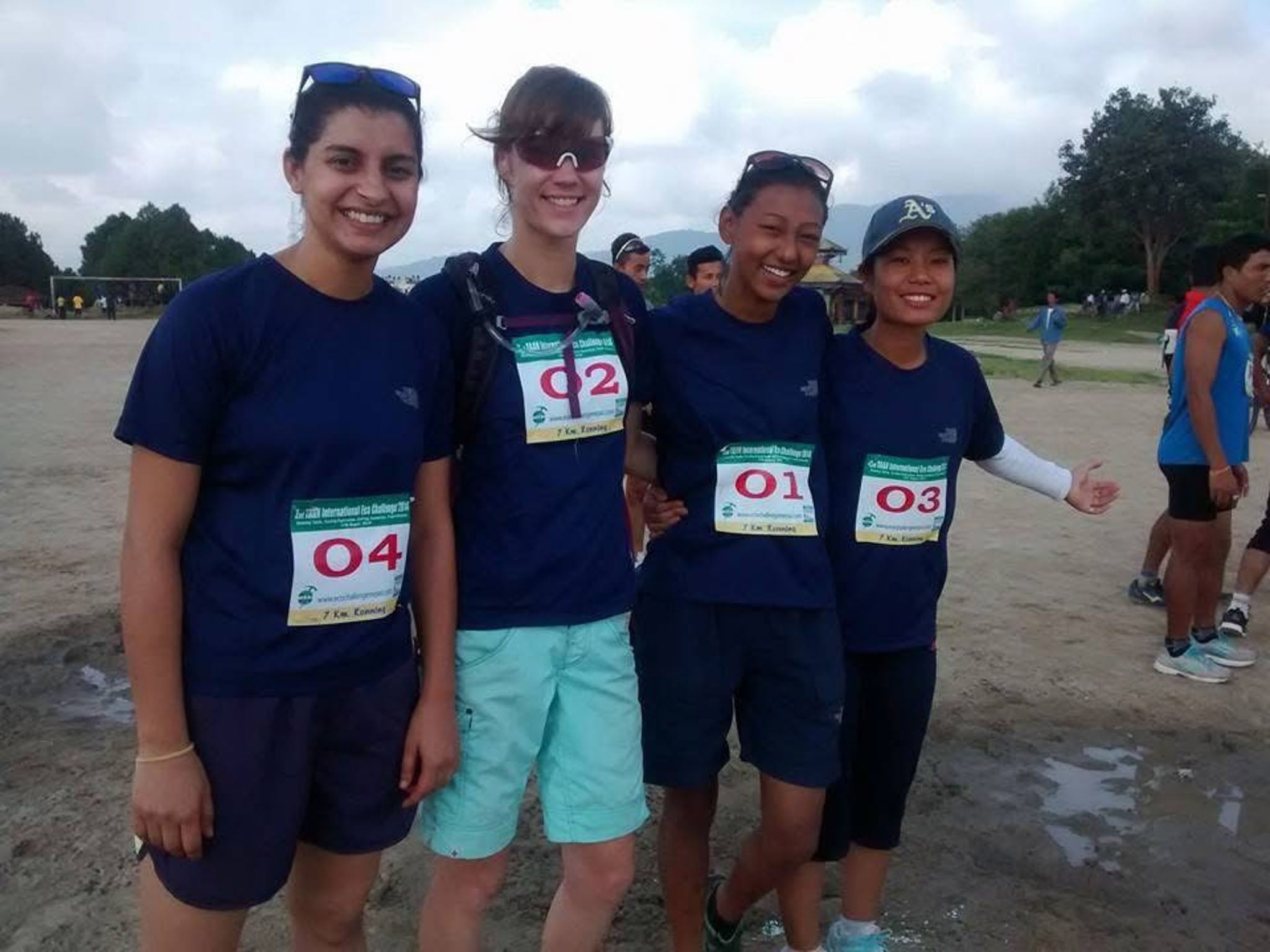
Riding made me feel free, yet I began to notice when that freedom had its limits. I rode mostly in large groups, and in most cases I was the only woman. I felt strong on the trail, but lonely once I got off the bike. I did not always know how to talk about what I was experiencing, and I found it difficult to relate my story to others. At the same time, I felt different from the women I knew who did not ride. I knew I was not the only woman who felt this way, but I did not know how to bridge that gap. I wanted more women to experience the same freedom, confidence, and focus that cycling had given me, yet I did not know how to create that space.
I had learned a great deal through riding, covering long distances with friends, discovering new routes, and overcoming one obstacle at a time. Those experiences taught me not to give up, but I still lacked a clear plan. I was not always sure whether my technique was effective, how to ride more safely, or how to improve with intention. I was a capable rider, but I did not have the words or the framework to describe what I was doing, let alone teach someone else to ride safely. Because I had never received any formal training, I did not feel that my experience alone was enough to make me a leader or an instructor. I did not want to lose the freedom that biking had given me. I simply needed structure, clearer steps, and a way to grow not just for myself, but so that I could one day help other women do the same. I did not know how that would happen. I only knew that something was missing.
The Arrival of Access
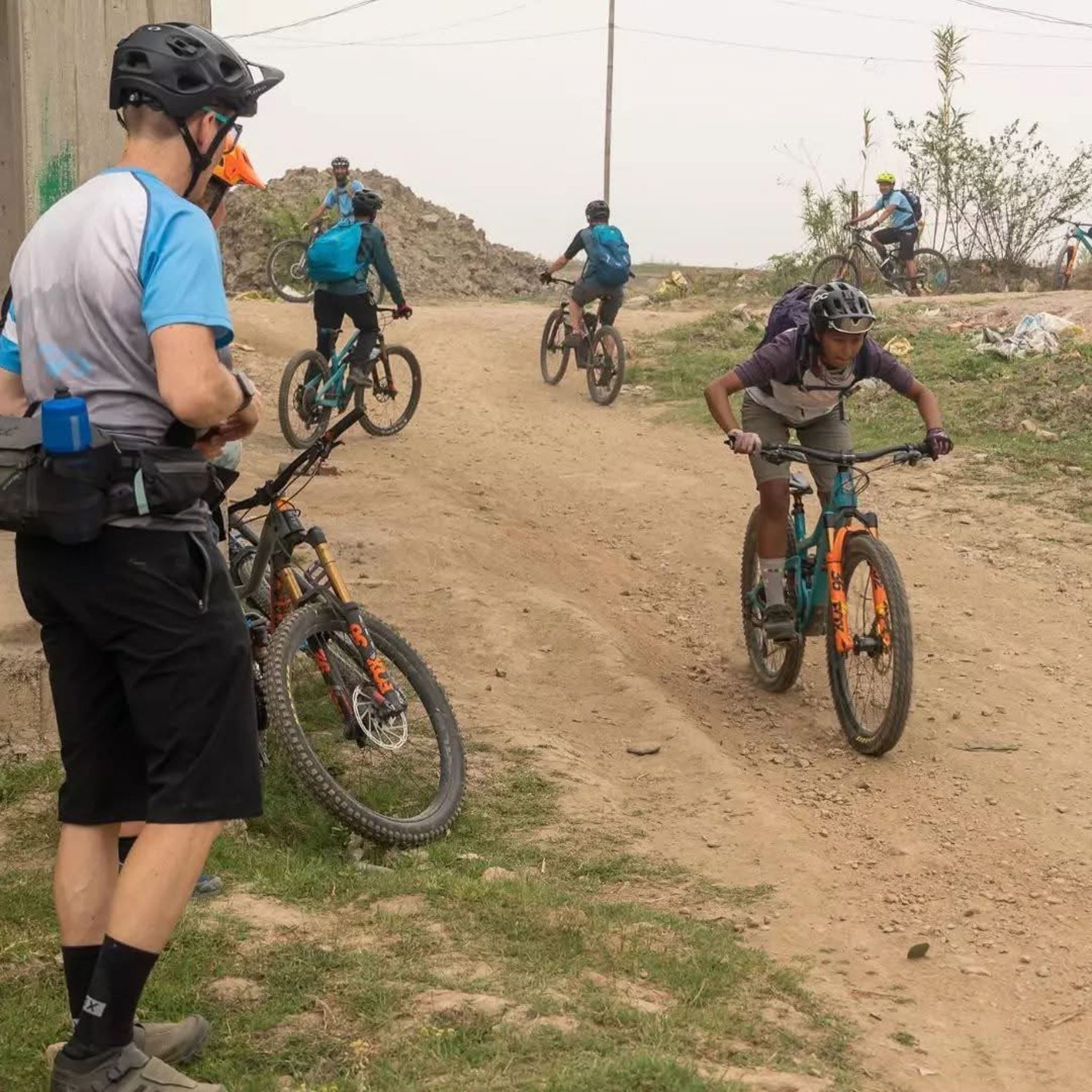
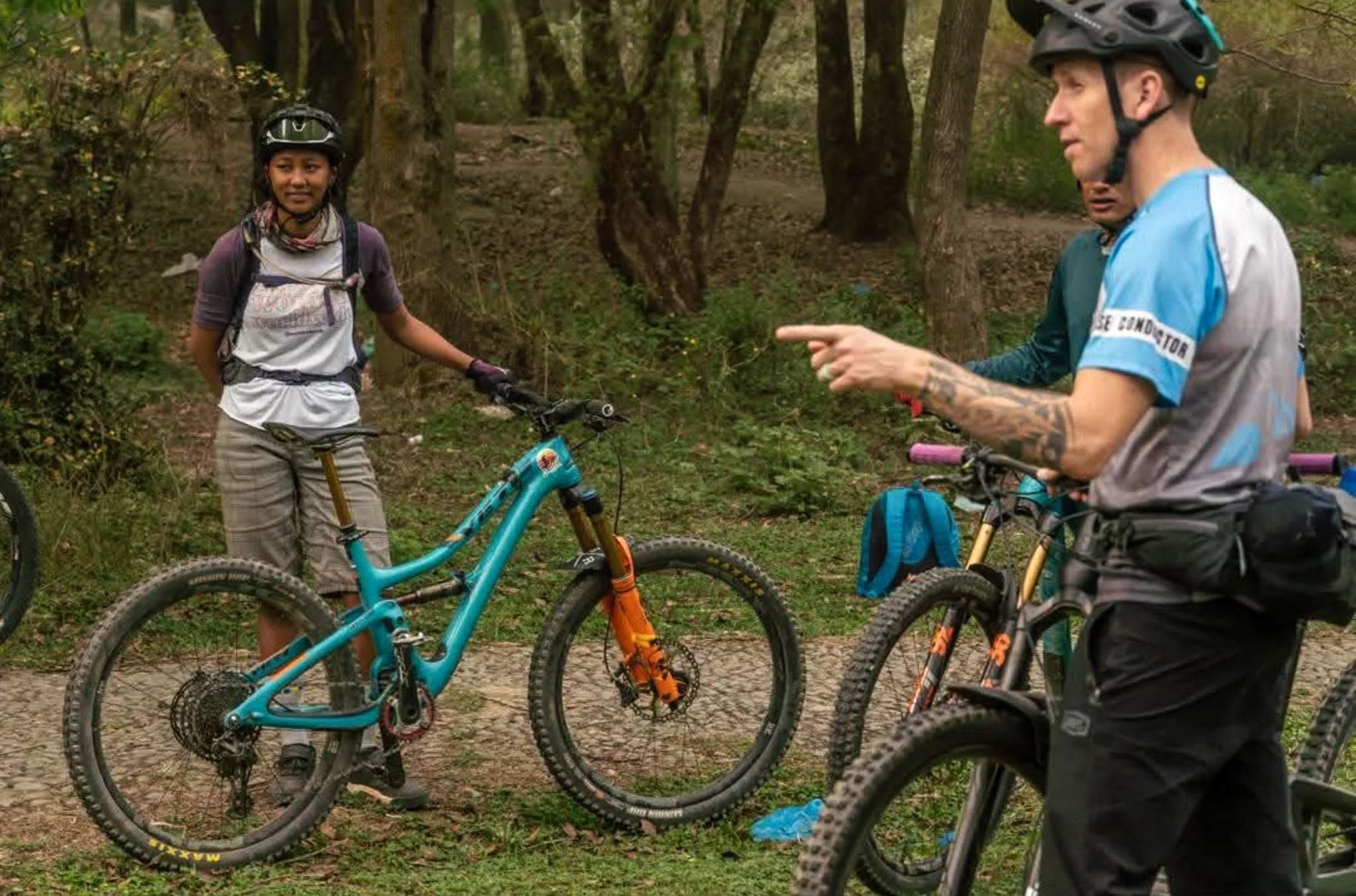
It was a turning point when World Ride(S'ouvre dans une nouvelle fenêtre) introduced the PMBIA Level 1 Instructor Course in Nepal. It was the first time a globally recognized training program had come to the country. It was not only about gaining new skills it was about being part of something, feeling supported, and being taken seriously. Opportunities like this had been rare in Nepal, particularly for women in cycling. I enrolled in the course carrying years of riding experience, but also many unanswered questions. The course gave me a framework. It taught me not only how to ride, but how to break skills down into smaller steps, managing risk, communicating clearly, and leading with purpose. The PMBIA Level 1 certification gave me confidence in what I already knew and affirmed the direction I had been moving toward. For the first time, my experience was matched with recognized, structured training to support it.
What mattered most was that this opportunity came to Nepal. It allowed me to grow without having to leave home, and it made leadership feel within reach rather than distant. World Ride did not simply bring a course. They created access. And access changed everything.
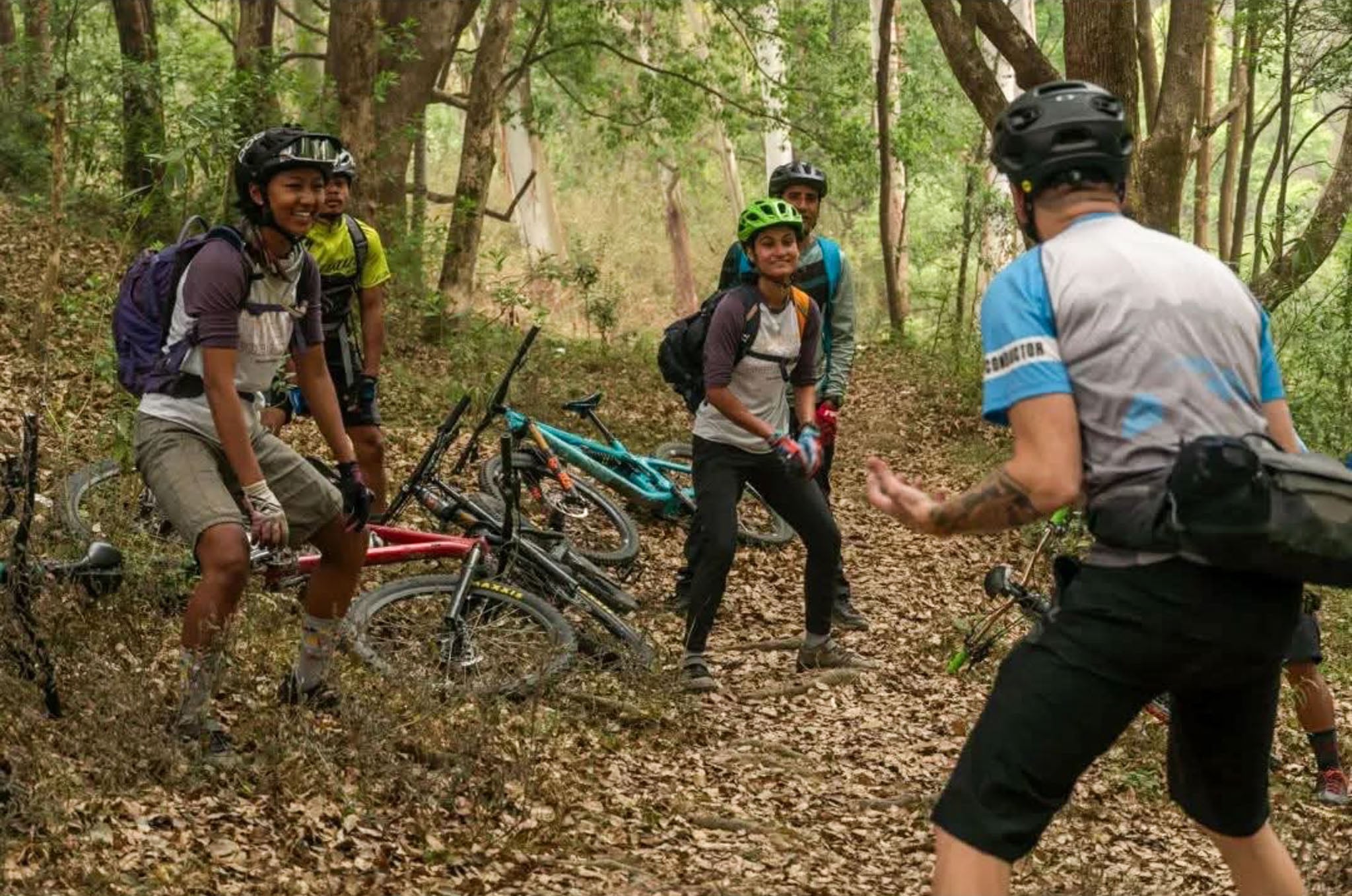
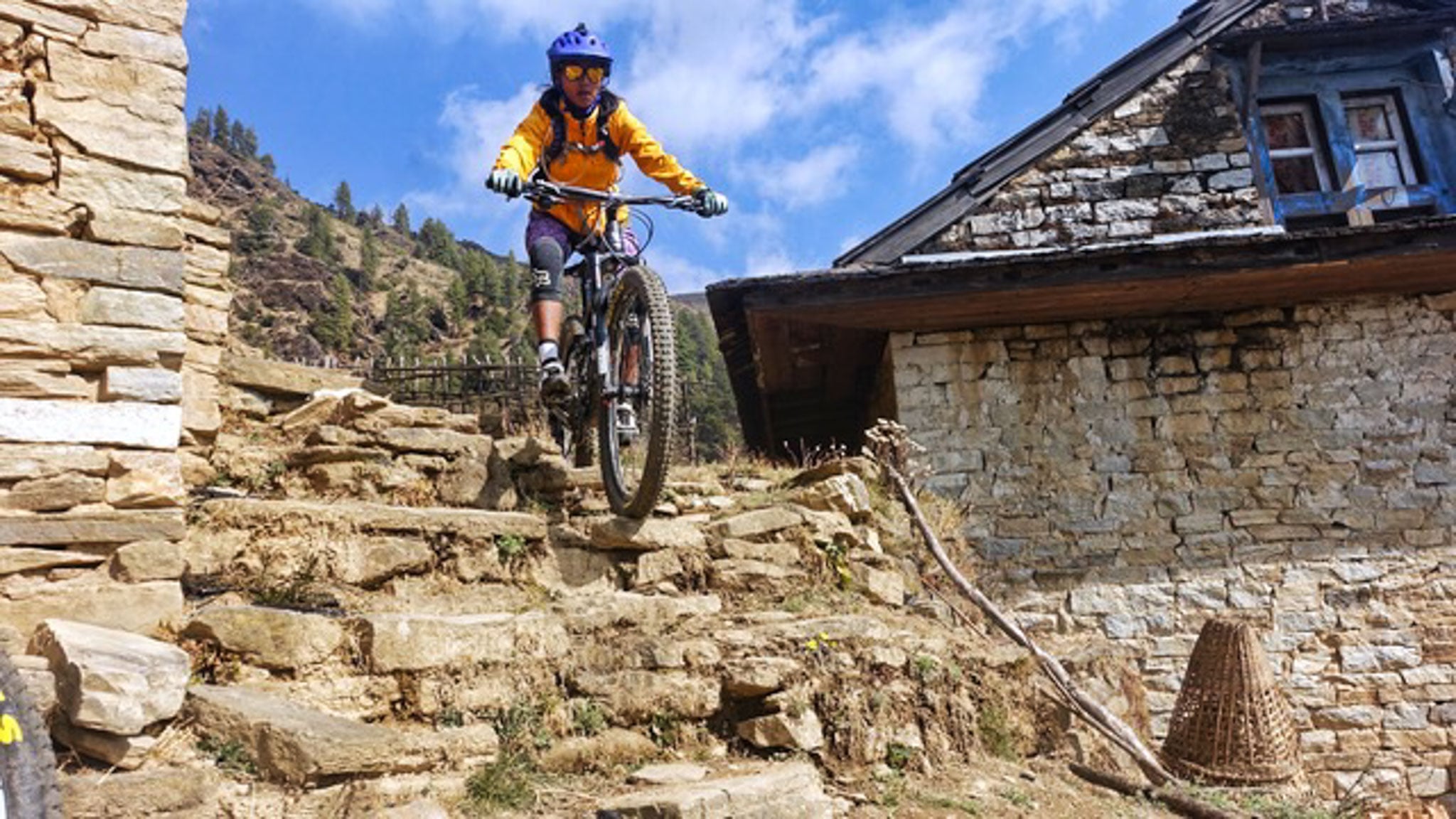
Empowerment through Skills and Thrills
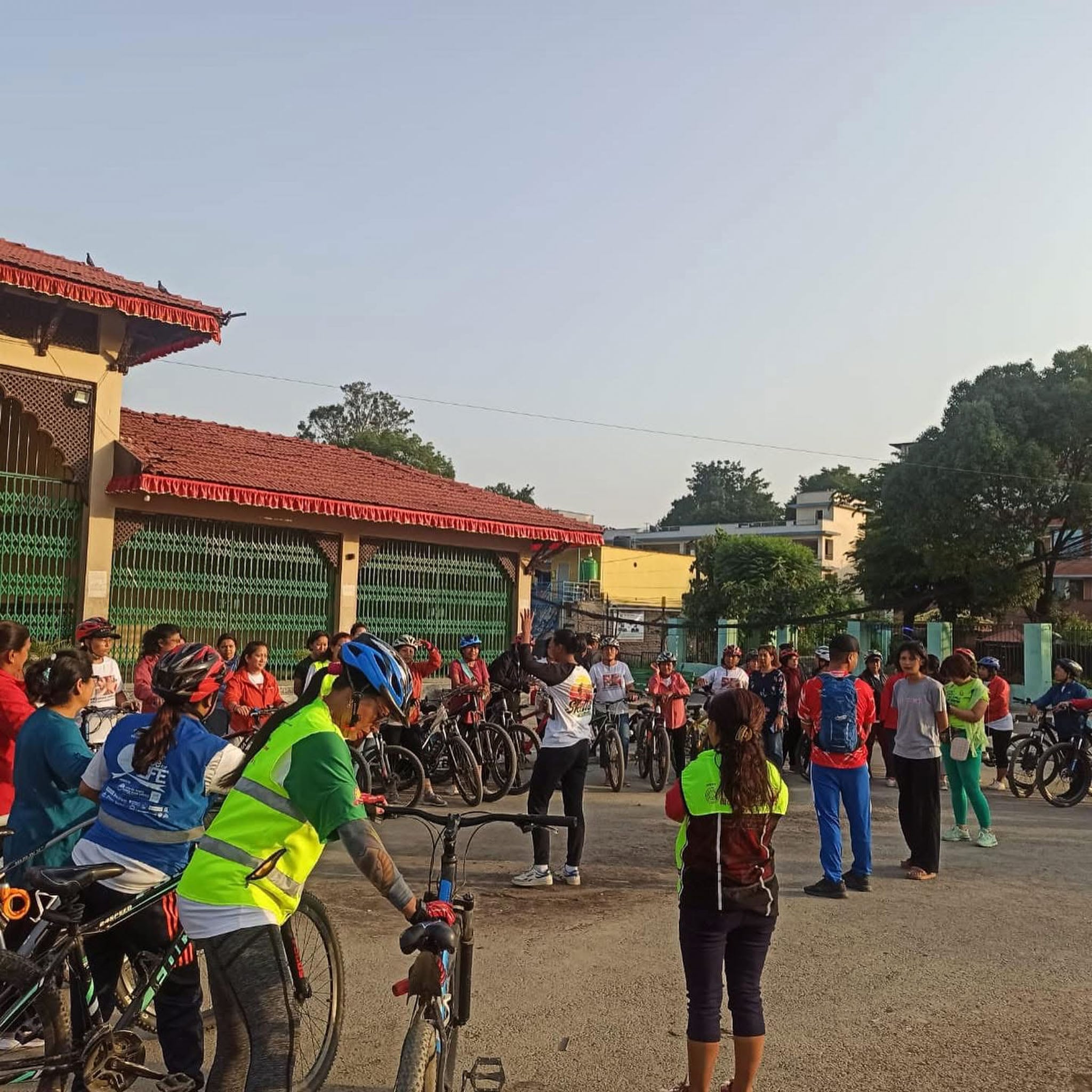
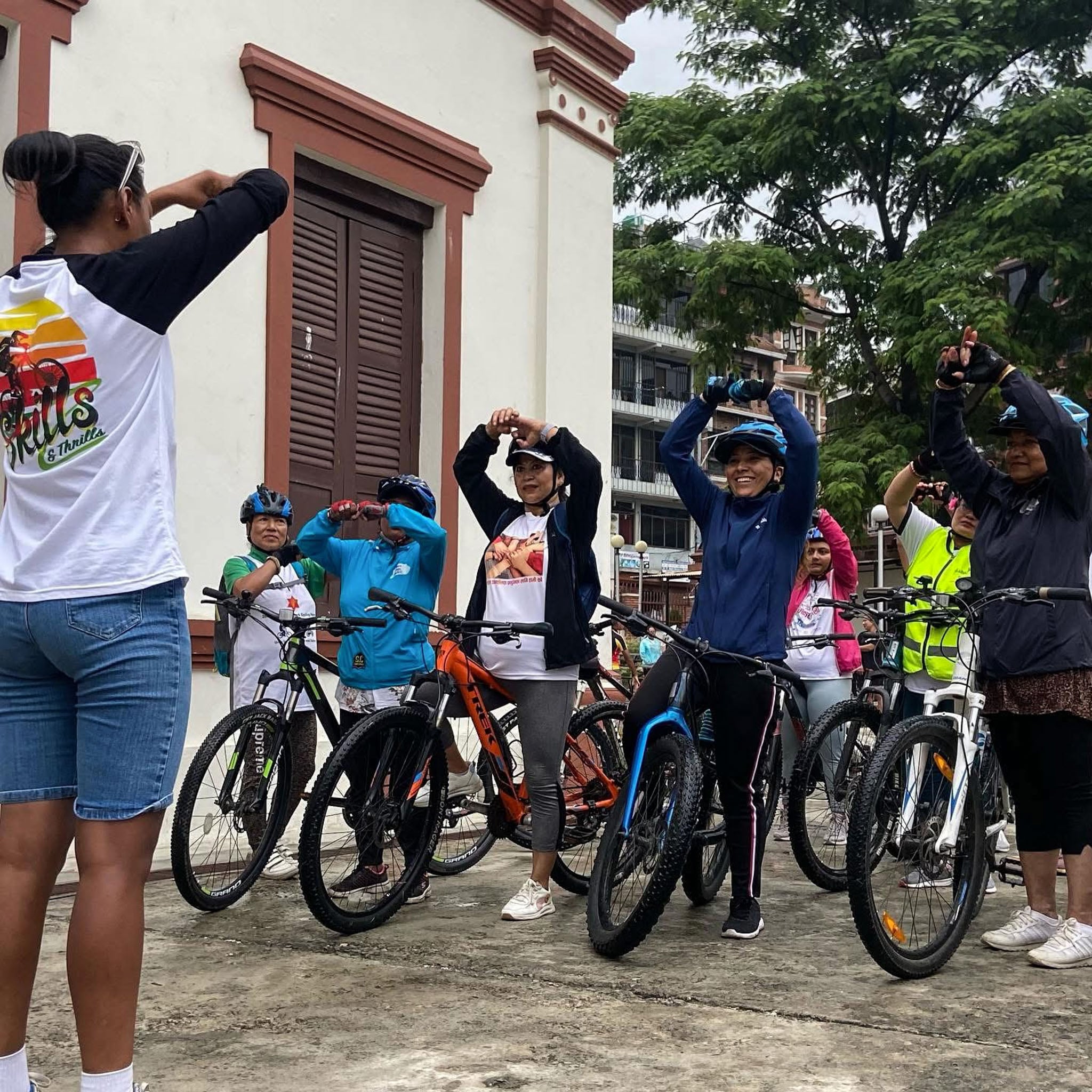
After completing the PMBIA Level 1 course, things began to fall into place. I realized that my experiences teaching myself to ride, riding without structure, feeling lonely as the only woman in the group, and wanting more women to join were not isolated. They had been pointing me toward something all along. With a clearer framework and defined goals, I understood that I did not need to have a perfect system in place before starting. I could begin to create the space I had always needed. I could start small, start locally, and do it with intention. That is how Skills & Thrills(S'ouvre dans une nouvelle fenêtre) was born.
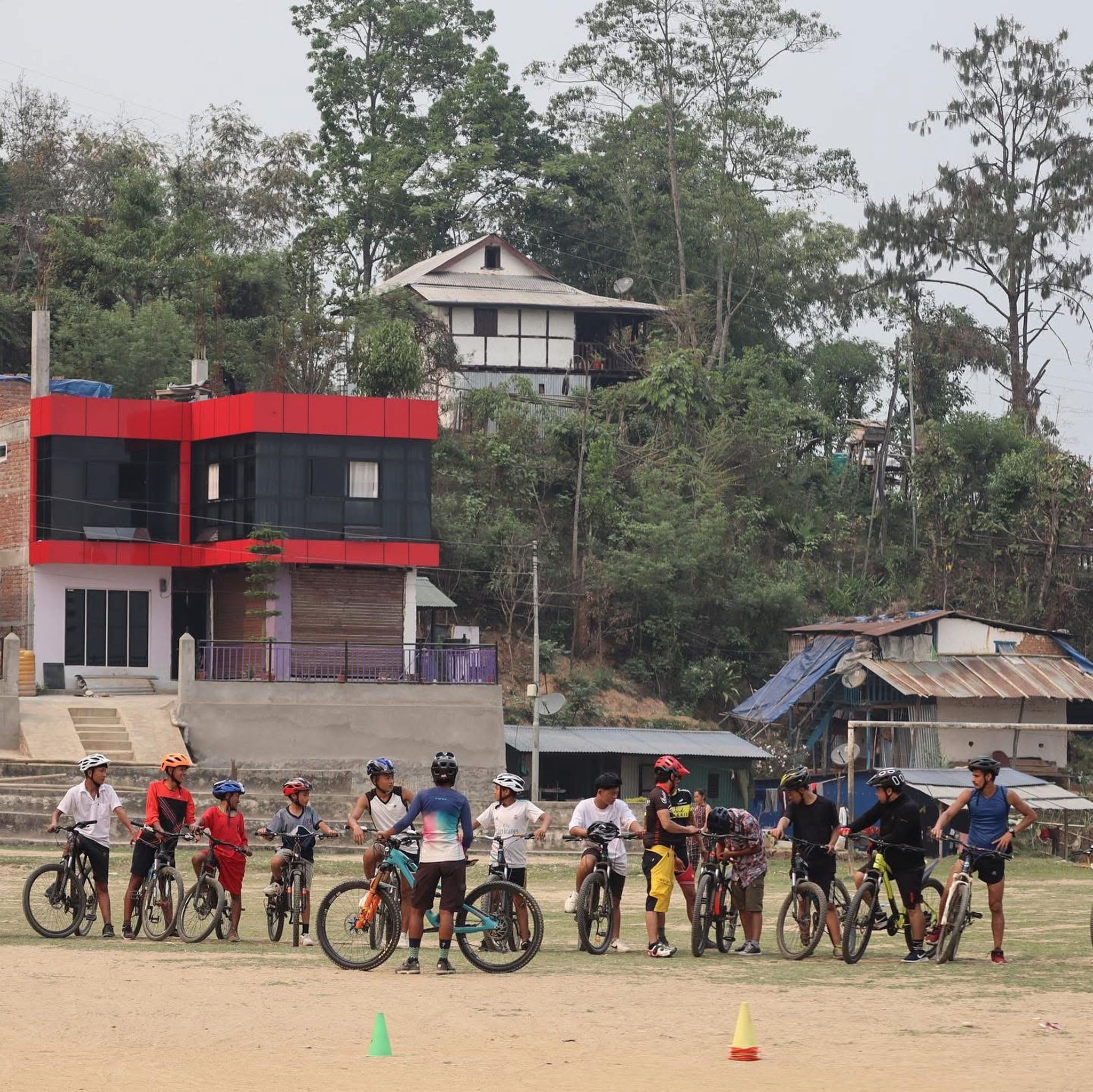
Skills & Thrills began as a simple idea: to create a welcoming, confidence-based environment where women and beginners could learn to ride without pressure or intimidation. It was never about performance or racing. It has always been about access, progress, and belonging. Everything I had been through the long rides, the fear, the isolation, and finally the training shaped the way I approach this work. I wanted Skills & Thrills to be a place where women do not feel alone on the trail, where they feel safe to learn, and where confidence grows naturally.
For me, certification was not the end. It became the beginning of action.
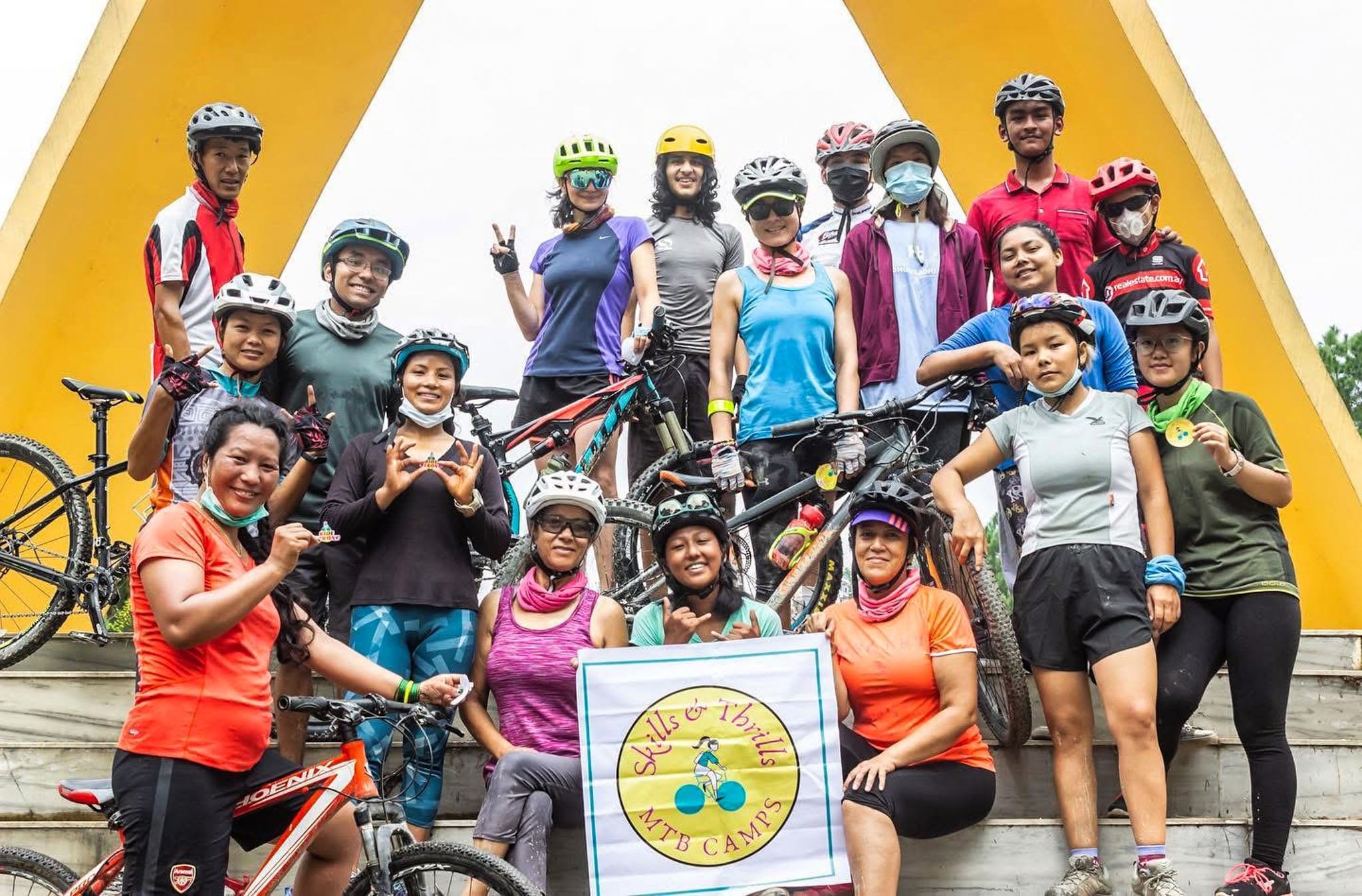
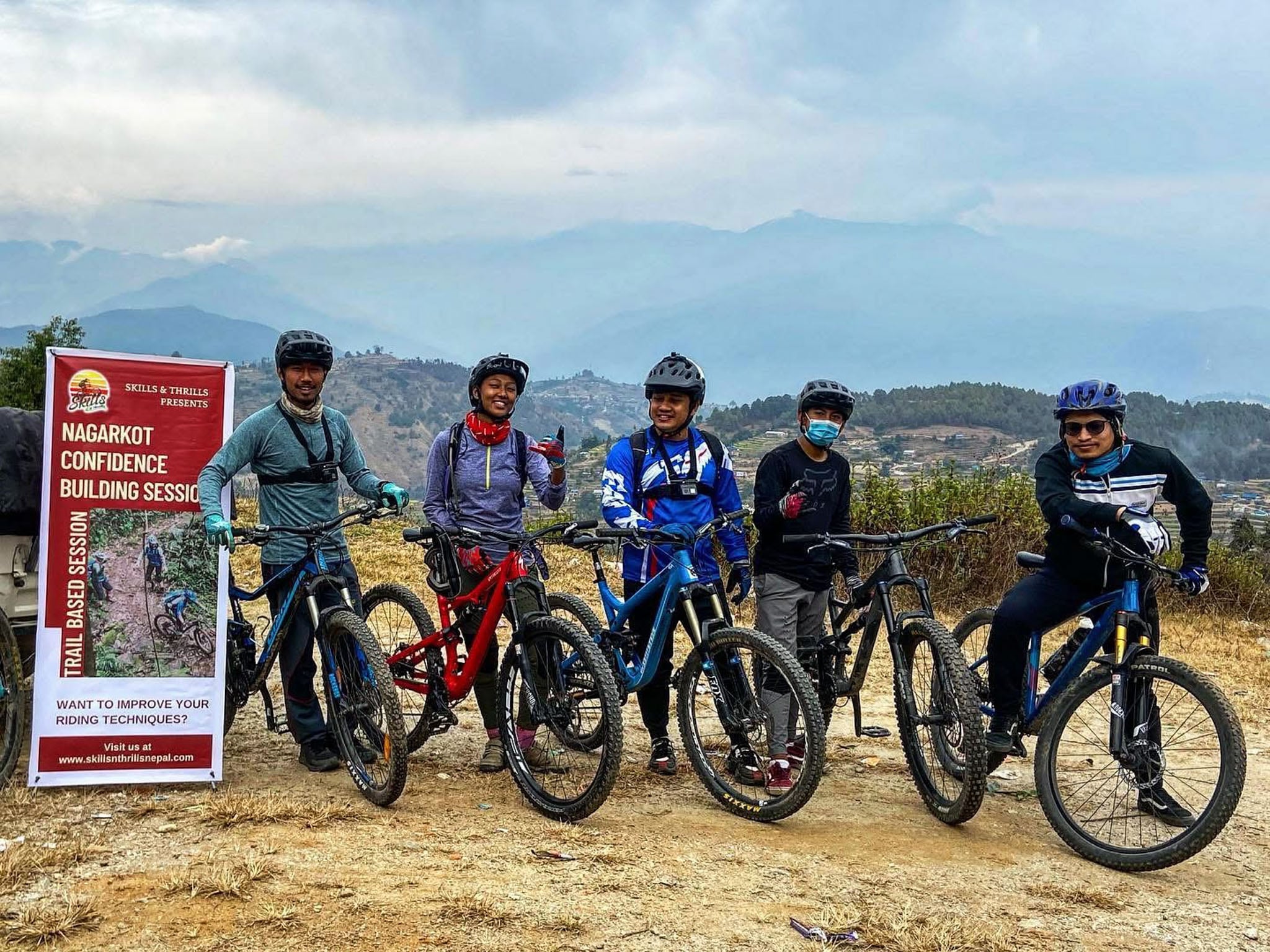
Closing
Looking back, this journey has not been a straight line, it has been a quiet accumulation: of awareness, then access, then action. What World Ride offered was not simply a certification. They made access available when it was needed and where it was needed. They showed up and helped transform years of lived experience into something I could carry forward with clarity and confidence. Because of that support, I was able to step into teaching and leadership, and ultimately build Skills & Thrills, a space shaped by everything I had learned, lived through, and longed for.
A place where women do not feel alone on the trail. Where learning happens not through fear, but through confidence. For me, empowerment did not come overnight. It grew through opportunity, trust, and the feeling of belonging. World Ride was a meaningful part of that growth. And now, it continues one ride, one learner, one shared moment at a time.
In the coming days, my commitment remains the same. I want to keep working toward the betterment of this community, expanding access, nurturing confidence, and creating more spaces where women feel seen, supported, and free to grow. This work is bigger than any one person, and I cannot do it alone. It takes a community to build a community. I will need the support, encouragement, and involvement of everyone who believes in what this work stands for. Together, we can make sure that no woman has to find her way in silence, and that the trail ahead is one she never has to ride alone.
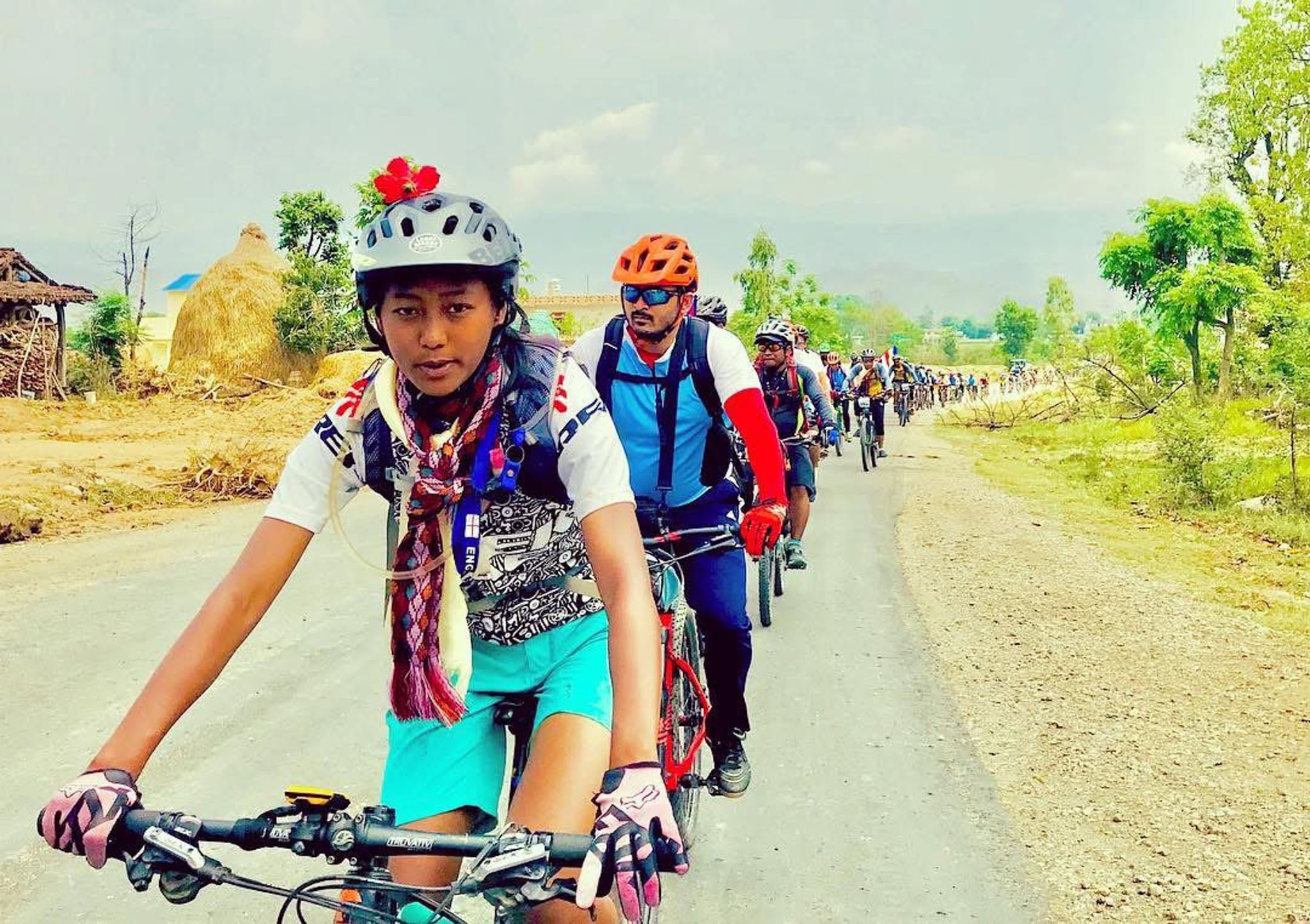
World Ride is one of Osprey's Philanthropic Partners(S'ouvre dans une nouvelle fenêtre). We have supported their mission to increase access to mountain biking and build community around the world for 8 years and counting.
World Ride(S'ouvre dans une nouvelle fenêtre) is a 501(c)3 non-profit that raises money through donations, partnerships, and events, and their epic, high-quality mountain biking tours(S'ouvre dans une nouvelle fenêtre). They use the funds raised to provide access to mountain biking equipment and skills training for women in the countries where they offer our tours. World Ride has established programs in seven countries on four continents. World Ride believes in the transformative power that the sport of mountain biking can have on women’s lives. The courage and determination learned through developing skills on a mountain bike translates into other areas in the lives of women that they work with. Through donations, partnerships, and mountain biking tours, World Ride is able to: provide access to mountain bikes, support training and skills development, create career opportunities, and build community.
Video player
En cours de chargement...
Mon panier
Your Cart ()
Votre panier est vide.
You may also like
Sous-total :
Subtotal after discount:
En cours de chargement...